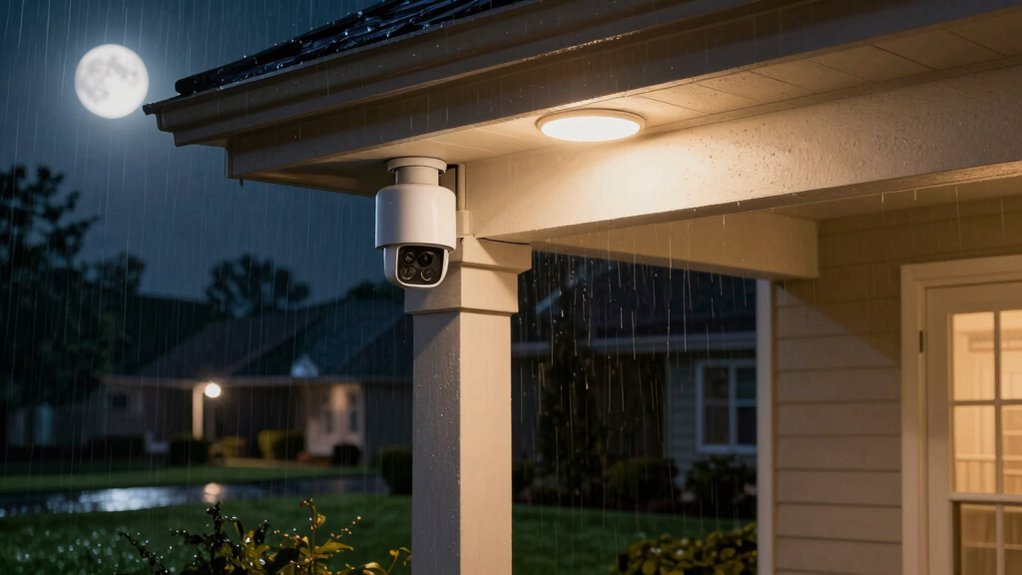
Looking for the two best camp security cameras? Consider the COCOCAM 4G for off‑grid, no‑WiFi protection with 2K video, a 10,000 mAh battery, 4G LTE streaming, and flexible mounting with a magnetic base.
Pair it with the WOSPORTS Trail Camera, offering 48MP stills, 4K video, a 0.2s trigger, and IP66 ruggedness for tough outdoor use. Together, they cover connectivity, power, image quality, and durability—plus options you’ll want to weigh as you compare more.
| COCOCAM 4G Portable Magnetic Security Camera (NO WiFi) |  | Best All‑Terrain Security | Imaging: 2K | Night Vision: Color/IR | Weatherproof: IP66 | VIEW LATEST PRICE | Read Our Analysis |
| WOSPORTS Trail Camera 48MP 4K Night Vision IP66 |  | High-Resolution Trail Cam | Imaging: 4K | Night Vision: IR | Weatherproof: IP66 | VIEW LATEST PRICE | Read Our Analysis |
More Details on Our Top Picks
COCOCAM 4G Portable Magnetic Security Camera (NO WiFi)
The COCOCAM 4G Portable Magnetic Security Camera is the best pick when you need reliable off-grid surveillance with no WiFi. You get 4G LTE streaming with a built-in Nano-SIM, plus seven days of free unlimited data to start. Its 2K camera works indoors or outdoors, with 300° pan, a 10000 mAh battery, and PIR plus AI human detection for timely alerts.
IP66 waterproofing and a magnetic base keep it versatile on RVs or campsites. You can store locally up to 128GB or use cloud storage, while 6-second clips and loop coverage cover extended monitoring. Mount options suit metal or nonmetal surfaces.
- Imaging:2K
- Night Vision:Color/IR
- Weatherproof:IP66
- Motion Trigger:PIR/AI
- Storage:TF up to 128GB
- Mounting:Magnetic base
- Additional Feature:Built-in SIM card included
- Additional Feature:300° panoramic view
- Additional Feature:PIR & AI human detection
WOSPORTS Trail Camera 48MP 4K Night Vision IP66
If you need a rugged trail cam that can clear as day night vision in harsh conditions, the WOSPORTS Trail Camera stands out with 48MP stills and 4K video plus IP66 waterproofing. You’ll get 0.2s trigger speed for rapid captures, and night vision from 32 IR LEDs with an 80-foot range.
The 120° lens covers broad areas, while 80 feet triggering distance keeps you posted.
It’s waterproof, with a 2.0″ LCD and time-stamp features for logs. Includes a 32GB card, USB-C, mounts, and screws. Ideal for outdoor scouting, wildlife monitoring, or home security.
- Imaging:4K
- Night Vision:IR
- Weatherproof:IP66
- Motion Trigger:0.2s trigger
- Storage:32GB card included
- Mounting:Mounts included
- Additional Feature:0.2s trigger speed
- Additional Feature:32GB memory card included
- Additional Feature:120° viewing angle
Factors to Consider When Choosing Camp Security Cameras

When you pick camp security cameras, start with Battery Life & Power to ensure steady coverage without frequent recharges. Consider Connectivity Options, Image Quality, and Durability & IP Rating to balance setup flexibility, clear footage, and rugged use. Finally, weigh Storage & Cloud options to keep your clips accessible and safe, even without onsite storage.
Battery Life & Power
Battery life governs how often you’ll need to recharge and how long cameras can run off-grid. In practice, a 10000 mAh battery like COCOCAM’s can power weeks of use between charges, depending on trigger frequency.
If you run higher trigger rates or continuous recording, expect faster drain—roughly 4000–5000 triggers per full charge for COCOCAM. Wireless cellular cameras cut power by avoiding constant Wi‑Fi activity, but you’ll still need periodic recharges or battery swaps to maintain uninterrupted monitoring.
Solar charging, lower‑power modes, and PIR-based motion detection can dramatically extend life by reducing unnecessary activations. Balance battery capacity, drain rate, and settings such as clip length or live streaming to meet your desired monitoring interval and reliability.
Connectivity Options
Connectivity options determine how your cameras access footage and stay online in the backcountry. You’ll choose between networks, cellular data, or offline operation with local storage.
Cellular-enabled cameras come with built-in SIM cards and data plans, letting you stream over 4G/LTE without WiFi, but with ongoing costs. IP66-rated models resist rain and dust, helping maintain stable connectivity in harsh conditions without compromising performance.
Some systems add cloud storage alongside local memory, offering redundancy but relying on internet access. Wireless mounting and magnetic or adhesive bases can affect signal strength and antenna orientation, influencing reliability.
If you don’t have steady service, prioritize local storage and a robust offline mode. Consider cloud options only if you value extra redundancy and can handle intermittent internet.
Image Quality Matters
Good image quality is the backbone of reliable camp security, because clear detail helps you identify people, vehicles, and events quickly. When evaluating cameras, higher resolution like 2K or 4K lets you distinguish faces and license plates far more easily than standard 1080p.
Color night vision extends usable footage after dark, improving detail recognition in low-light conditions. A wide field of view, around 120–300°, captures more area in a single frame and reduces blind spots you’d otherwise miss.
Faster trigger speeds, such as 0.2 seconds, minimize missed activity from quick movements. Don’t overlook storage options—local microSD up to 128GB or larger, plus cloud storage—to ensure longer-term video retention without missing events.
Durability & IP Rating
When choosing camp security cameras, durability and IP rating matter just as much as image quality, because harsh outdoor conditions can quickly degrade equipment.
An IP rating like IP66 signals strong protection against dust and powerful water jets, making it suitable for outdoor camp environments. Higher IP ratings generally correlate with better ingress resistance, contributing to longer-term durability in harsh conditions.
Weather-sealed enclosures and rugged housings reduce damage from rain, mud, and humidity you’ll encounter at campsites. Materials such as metal or tough plastics enhance impact resistance, important when cameras face brush, wildlife, or accidental bumps.
Remember, IP ratings don’t guarantee longevity in extreme conditions; you should also consider temperature tolerance and battery performance alongside ingress protection.
Storage & Cloud
Storage and cloud options determine how you’ll keep and access footage after a campsite event. You’ll choose between local microSD/TF storage (often up to 128GB) and cloud storage, balancing on-device clips with off-camera backups.
Local storage is handy where cellular coverage is spotty or data costs matter, storing video and photos directly on the camera. Cloud storage typically requires a subscription or data plan, offering remote access and additional backup.
Some cameras use loop recording, overwriting oldest clips to maintain continuous capture when space fills up. Availability and retention depend on your plan or capacity, shaping how long you can review events later.
Consider whether you need offline access, easy sharing, or longer timelines to ensure you can revisit important moments from your campsite.
Mounting Flexibility
Mounting flexibility matters because you’ll want a setup that fits your campsite’s layout and weather conditions. You can choose magnetic bases for quick mounting on metal surfaces, as with COCOCAM, enabling off-grid, portable setups.
If metal isn’t available, optional non-metal options include circular adhesive stickers or drilling-based mounts for versatile placement.
Your camera should offer freestanding positions, adhesive mounting, or screw-in installations to adapt to varied environments. Wide-angle or panoramic designs, such as a 300° pan, influence where and how you mount to maximize coverage.
Weatherproofing matters too; an IP66 rating helps ensure the mounting location stays reliable outdoors or in exposed areas. Combine these choices to keep sightlines clear and secure regardless of terrain or weather.
Conclusion
When you’re choosing camp security cameras, prioritize battery life, reliability, and weather resilience. If you’re off-grid, the COCOCAM’s 4G, no-WiFi setup can keep you protected, while the WOSPORTS trail cam adds standout night vision and rugged IP66 durability.
Consider how you’ll power, how you’ll access footage, and where you’ll mount for optimal coverage. In short: pick a camera that fits your camp’s access, habitat, and downtime needs, and test it before your next trip.